Yes, drip faucets during freezing weather when they are supplied by pipes in exterior walls, cabinets, crawl spaces, garages, attics or other unheated or poorly insulated areas. You do not usually need to drip every faucet merely because the forecast reaches 32°F (0°C). The risk depends on where the pipes run, how long temperatures will stay below freezing, how well the home is heated and insulated, and whether the pipes have frozen before.
Use this quick decision guide before a freeze
Dripping is a short-term precaution, not a guarantee against frozen pipes. It can help keep water moving through a vulnerable line, but it does not replace keeping the home heated, insulating exposed pipes, sealing drafts or properly winterizing outdoor plumbing.
| Situation | Should you drip? | Best action |
|---|---|---|
| Heated home with pipes entirely inside conditioned space | Usually no | Maintain indoor heat and monitor the forecast. |
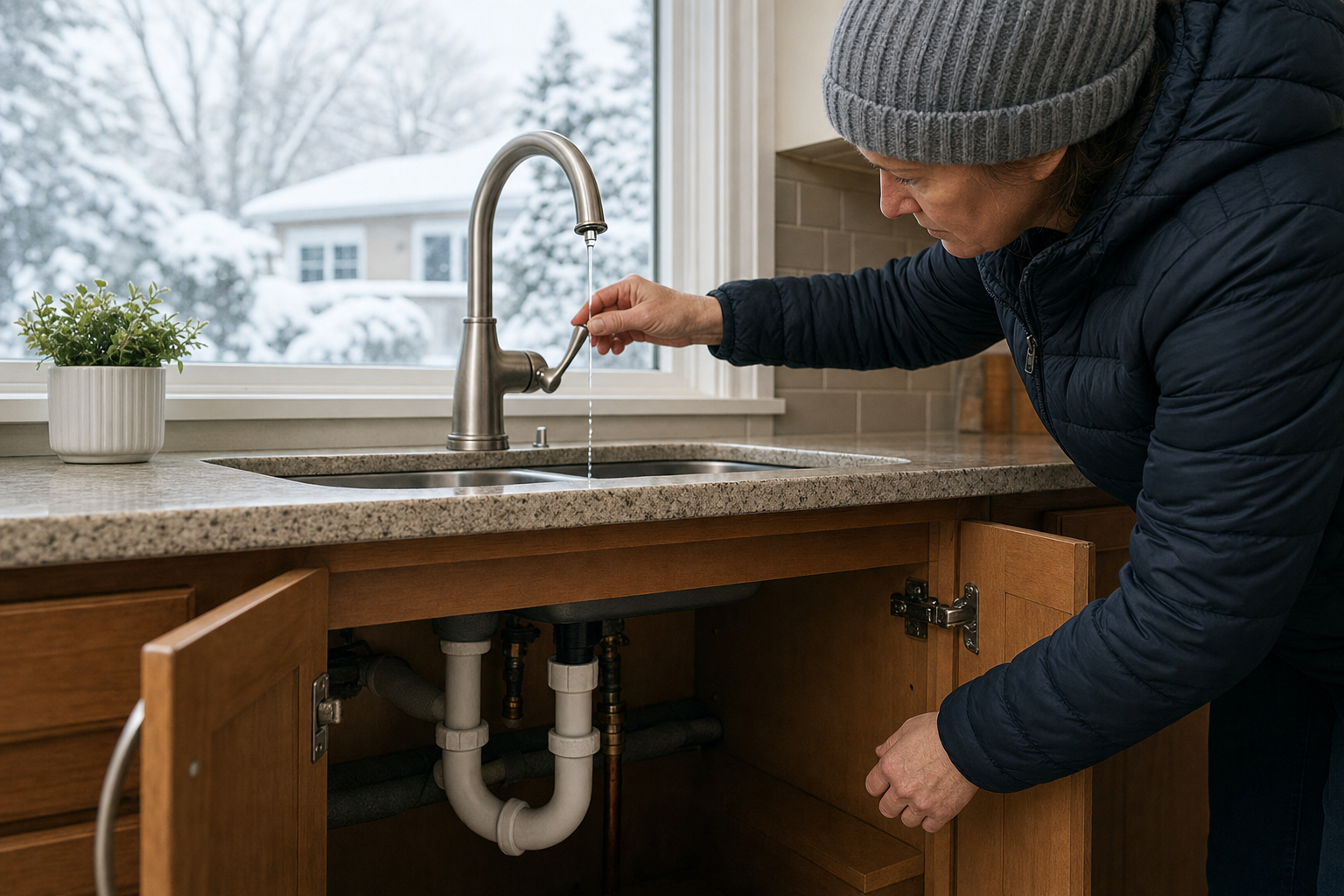
| Pipe in an exterior wall or under a sink against an outside wall | Often yes | Drip the faucet served by that pipe and open the cabinet door. |
| Pipe in an unheated garage, attic, crawl space or basement | Usually yes during severe cold | Drip the affected faucet, keep garage doors closed and insulate accessible pipes. |
| Power or heat outage during extreme cold | Often yes, if water service remains available | Drip taps on exterior walls, open cabinets and follow local utility instructions. |
| Outdoor faucet or hose bib | Generally no | Disconnect hoses, shut off and drain the line where possible, then protect the fixture. |
| Your water utility issues special guidance | Follow the utility | Local directions take priority during a prolonged regional freeze. |
There is no single outdoor temperature at which every household needs to start dripping faucets. A brief drop below 32°F may pose little risk to protected plumbing in a heated home. The same temperature can threaten pipes in an exterior wall, a ventilated crawl space or an unheated garage.
Pay closer attention when temperatures are expected to remain below freezing for many hours, fall well below 32°F, or stay below freezing during the day as well as overnight. Pipes that have frozen previously deserve extra protection even if insulation has been added since then.
Wind can make an exposed pipe cool to the outdoor air temperature faster, but it cannot cool the pipe below the actual air temperature. Drafts still matter because they can carry cold outdoor air into wall cavities, crawl spaces and cabinets.
Which faucets to drip
Choose faucets according to the route of their supply pipes, not according to convenience. Prioritize sinks on exterior walls and fixtures supplied through unheated spaces. A kitchen sink above a crawl space, a bathroom vanity against an outside wall or a laundry sink next to an unheated garage may be more vulnerable than a centrally located faucet.
You do not normally need to drip every tap. One faucet near the end of a vulnerable plumbing branch may help protect that branch, but a home can have several separate branches. If pipes run through vulnerable areas on opposite sides of the house, choose a faucet on each affected branch.
Start with cold water. The American Red Cross specifically advises allowing cold water to drip from a faucet served by exposed pipes. Hot-water lines can also freeze, especially where hot and cold pipes run together through an exterior wall or unheated area. If you know that both supply lines are exposed, ask a licensed plumber which fixture and setting will best protect your plumbing layout.
Do not run a large flow of hot water. It wastes water and energy and is not necessary for routine freeze protection. Homes with tankless water heaters, exterior water heaters, recirculation systems or other unusual plumbing should also follow the equipment manufacturer’s freeze-protection instructions.
How fast to drip and when to start
Set the selected faucet to the smallest reliable continuous flow. A slow trickle is generally enough; it should not be a normal handwashing stream. During a less severe overnight freeze, individual steady drips may be adequate. If the flow stops or begins freezing at the outlet, increase it slightly.
Use these steps when a significant freeze is approaching:
- Identify faucets served by pipes in exterior walls or unheated spaces.
- Before temperatures fall below freezing, open those faucets to a slow, continuous drip or trickle.
- Open sink cabinet doors so indoor heat can reach the pipes. Move cleaners, medicines and other hazardous products away from children and pets.
- Keep the thermostat at a consistent temperature rather than using a large nighttime setback.
- Keep garage doors closed if water lines run through the garage. Seal obvious drafts near vulnerable pipes, but never block appliance vents.
- Check faucets periodically during a long freeze to make sure water is still flowing and drains remain clear.
Continue dripping until the freeze has passed and vulnerable parts of the home have warmed. Pipes inside walls, crawl spaces and garages can remain cold after the outdoor temperature first rises above freezing. When normal conditions return, close the faucets and check cabinets, exposed pipes, ceilings and nearby walls for signs of leaks.
Use the smallest effective flow and drip only faucets that protect vulnerable lines. You can collect the water in a clean container for household use, but do not leave a container unattended where it could overflow. Never plug the sink drain.
Check notices from your water provider during a regional cold event. Utilities may issue specific instructions during prolonged freezes to protect water-system pressure or conserve treated water. Those local instructions should take priority over general advice.
Protect outdoor faucets and handle frozen pipes safely
Outdoor faucets generally need winterizing rather than dripping. Disconnect and drain garden hoses before freezing weather. A connected hose can trap water in a frost-free faucet and prevent it from draining as designed.
If an indoor shutoff valve supplies the outdoor faucet, close it and open the outdoor faucet to drain the line. Leave the faucet in the position recommended for the installation. An insulated faucet cover can add protection, but it does not replace shutting off and draining a vulnerable line. See how to winterize outdoor faucets before the first freeze and learn when outdoor faucet covers work.
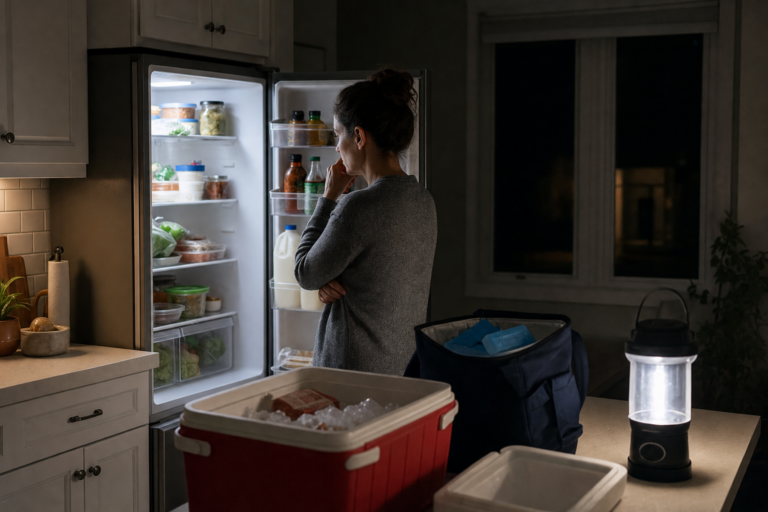
During a power or heating outage, keep indoor taps on exterior walls slightly open if water service remains available, open cabinet doors and follow instructions from the local utility. Dripping may reduce risk during a short outage, but it cannot protect plumbing indefinitely if the home becomes dangerously cold. Do not use a gas oven, stove, barbecue or generator to heat the home. If you cannot maintain safe heat or plan to leave the property, contact a qualified plumber or property manager about the appropriate way to protect the plumbing. Systems with wells, boilers, fire sprinklers or water heaters can require special procedures. If you leave the house, this guide to setting the house temperature while away in winter explains the broader considerations.
A pipe may already be frozen if a faucet produces only a trickle or no water, particularly when nearby fixtures still work. Check other faucets because more than one pipe may be affected.
Keep the affected faucet open while gently warming an accessible pipe with an electric heating pad, a hair dryer or towels soaked in hot water. Start near the faucet and work toward the suspected frozen section. Never use a torch, open flame, kerosene heater, propane heater or charcoal device to thaw a pipe.
If you find leaking water, a split pipe, damp drywall or a spreading ceiling stain, shut off the home’s water supply if it is safe to do so and call a licensed plumber. A frozen pipe can begin leaking after it thaws, so inspect the area again once normal water pressure returns.